




India, long celebrated as one of the fastest-growing major economies, has recently slipped to the sixth position in global economic rankings. The shift has sparked conversations among policymakers, economists, and investors, raising an important question—what caused this drop, and should it be a concern?
The Ranking Shift Explained
According to updated global GDP comparisons, India has been overtaken by other economies due to a mix of currency fluctuations, global economic dynamics, and relative growth rates. While India’s economy continues to expand, other nations have either grown faster in nominal terms or benefited from stronger currency valuations.
Countries like United Kingdom and France have moved ahead at different points due to exchange rate advantages and post-pandemic recovery patterns. These rankings are typically based on nominal GDP, which is heavily influenced by currency strength against the US dollar.
Currency Depreciation Impact
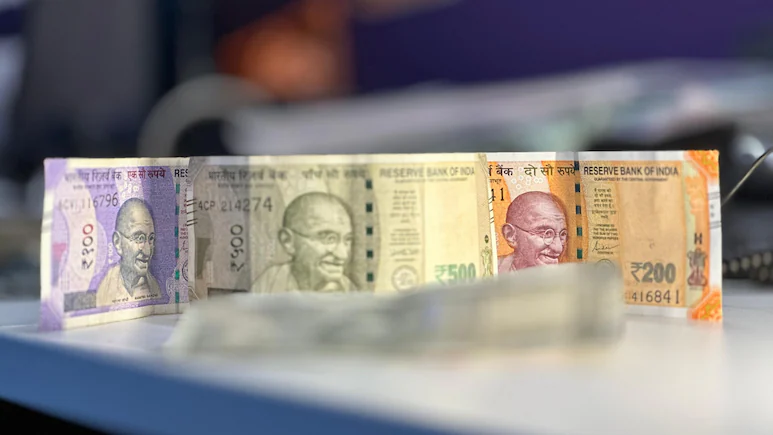
One of the most significant reasons behind India’s drop is the weakening of the Indian rupee against the US dollar. Since global rankings are calculated in dollar terms, even steady domestic growth can appear lower when the currency depreciates.
This doesn’t necessarily mean India’s real economic output has declined—it reflects a change in how that output is valued globally.
Global Economic Environment
The broader global economy has also played a role. Developed economies, especially in Europe, saw stronger rebounds after periods of slowdown. Meanwhile, inflationary pressures and monetary tightening worldwide affected emerging markets like India more visibly.
Additionally, geopolitical tensions and shifting trade patterns have influenced growth trajectories across countries, impacting comparative rankings.
Growth vs. Position
It’s crucial to understand that India’s drop in ranking does not equate to economic weakness. In fact, India remains one of the fastest-growing large economies, with strong domestic demand, a growing digital ecosystem, and increasing foreign investment.
The difference lies in relative performance. Economic rankings are comparative—if another country grows faster or benefits from currency appreciation, positions can change even if India continues to grow.
Structural Factors at Play
Several structural elements also contribute:
- Population size vs. per capita income: India’s large population means overall GDP is high, but per capita income remains lower than many developed nations.
- Export competitiveness: While improving, India still lags behind some economies in high-value exports.
- Infrastructure and policy bottlenecks: Ongoing reforms are addressing these, but progress takes time.
Long-Term Outlook
Despite the current ranking shift, India’s long-term economic outlook remains strong. Many global institutions predict that India could climb back up the rankings in the coming years, potentially becoming the third-largest economy.
With continued reforms, investments in manufacturing, and a focus on digital transformation, India’s economic trajectory remains upward—even if short-term rankings fluctuate.
The move to sixth place is less a sign of decline and more a reflection of global economic mechanics. Rankings can change quickly, but the underlying fundamentals of India’s economy remain robust.
In the bigger picture, the question isn’t just where India stands today—but how sustainably and inclusively it grows in the years ahead.